Asana
Okta

Asana and Okta Integration

Seamlessly connect Asana with Okta to streamline user management and enhance security across your projects.

Explore Triggers and Actions

New Completed Task (Instant)
Trigger new event for each task completed in a project.
New Project Added To Workspace (Instant)
Trigger new event for each new project added to a workspace.
New Tag
Trigger new event for each tag created in a workspace.
New Task (Instant)
Trigger new event for each task added to a project.
New Story Added To Project (Instant)
Trigger new event for each story added to a project.
New Subtask (Instant)
Trigger new event for each subtask added to a project.
New Team
Trigger new event for each team added to an organization.
New Task Field Updated In Project (Instant)
Trigger new event whenever given task fields are updated.
New User (Instant)
Trigger new event for each user added to a workspace.
Create User
Creates a new user in the Okta system.
Get User
Fetches the information of a specific user from the Okta system.
Update User
Updates the profile of a specific user in the Okta system.

How it works

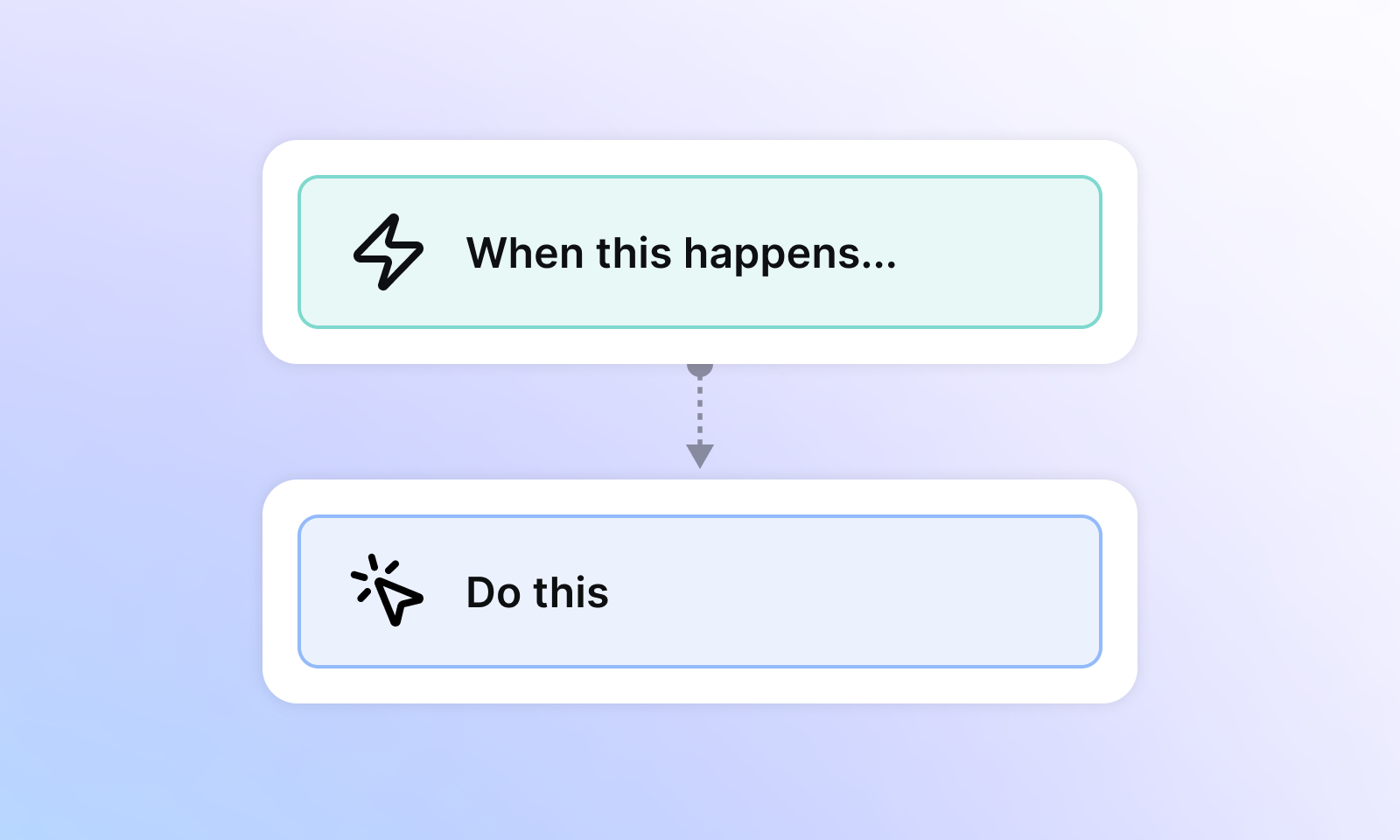
Add your support channel as a trigger
Start with any customer-facing channel — WhatsApp, Email, Web Chat, or even Phone. When a new ticket, message, or call comes in, the workflow kicks off.
Connect your apps
Set conditions like agent persona, customer type, query intent, or urgency. Then let your AI agent auto-respond, triage, summarize, or even escalate — just using natural language.
Connect it to your tools
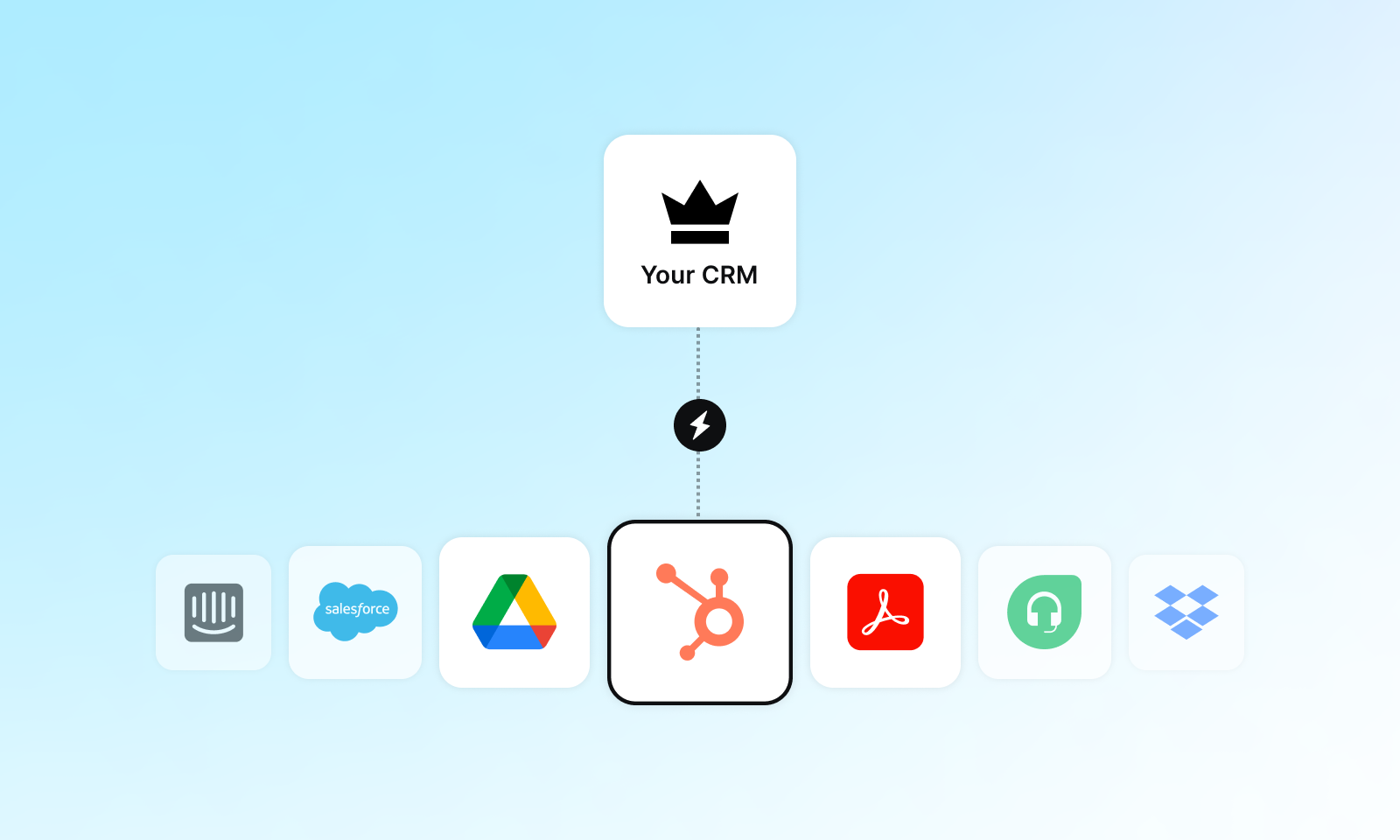
Sync with your CRM, Helpdesk, or internal systems. Automatically log tickets, update statuses, notify agents, send surveys or send summaries — your workflow, your way.

Popular App Usecases

No usecase found. Try searching again.

What can Ayudo do with Asana and Okta?

The Asana and Okta integration enables organizations to automate user provisioning, enforce single sign-on (SSO), and maintain centralized access control. By linking Asana’s project management capabilities with Okta’s identity management platform, teams can ensure secure, efficient collaboration without the hassle of manual account setup or password management.

Connect
Asana
and
Okta
to streamline your company's workflows, automate tasks, and boost productivity.

Frequently asked questions

What benefits does the Asana and Okta integration provide?

This integration simplifies user onboarding and offboarding by automating account provisioning and deprovisioning. It also enhances security through single sign-on (SSO) and centralized access policies, reducing password fatigue and minimizing unauthorized access risks.

How does single sign-on (SSO) work with Asana and Okta?

Okta acts as the identity provider, allowing users to log into Asana using their Okta credentials. This means users only need to remember one set of login details, and IT admins can enforce security policies such as multi-factor authentication across all connected applications.

Can I automate user provisioning for Asana through Okta?

Yes, the integration supports SCIM-based user provisioning, enabling automatic creation, updating, and deactivation of Asana user accounts based on changes made in Okta. This ensures that your team’s access is always up to date without manual intervention.

Is the integration secure and compliant with industry standards?

Absolutely. The Asana and Okta integration uses secure protocols and adheres to industry best practices for identity and access management, helping your organization maintain compliance with security standards such as SOC 2 and GDPR.

How do I set up the Asana and Okta integration?

To set up the integration, log into your Okta admin console, add Asana as an application, configure SSO settings, and enable SCIM provisioning. Detailed step-by-step guides are available in both Asana’s and Okta’s documentation to assist with the process.


Built by folks who built