Microsoft Outlook
Microsoft Teams

Microsoft Outlook and Microsoft Teams Integration

Seamlessly connect Microsoft Outlook and Microsoft Teams to enhance your productivity and streamline communication.

Explore Triggers and Actions

New Attachment Received (Instant)
Trigger new event when a new email containing one or more attachments arrives in a specified Microsoft Outlook folder.
New Contact Event (Instant)
Trigger new event when a new Contact is created
New Email Event (Instant)
Trigger new event when an email is received in specified folders.
Create Channel
Create a new channel in Microsoft Teams.
List Channels
Lists all channels in a Microsoft Team.
List Shifts
Get the list of shift instances for a team.
Send Channel Message
Send a message to a team's channel.
Send Chat Message
Send a message to a team's chat.

How it works

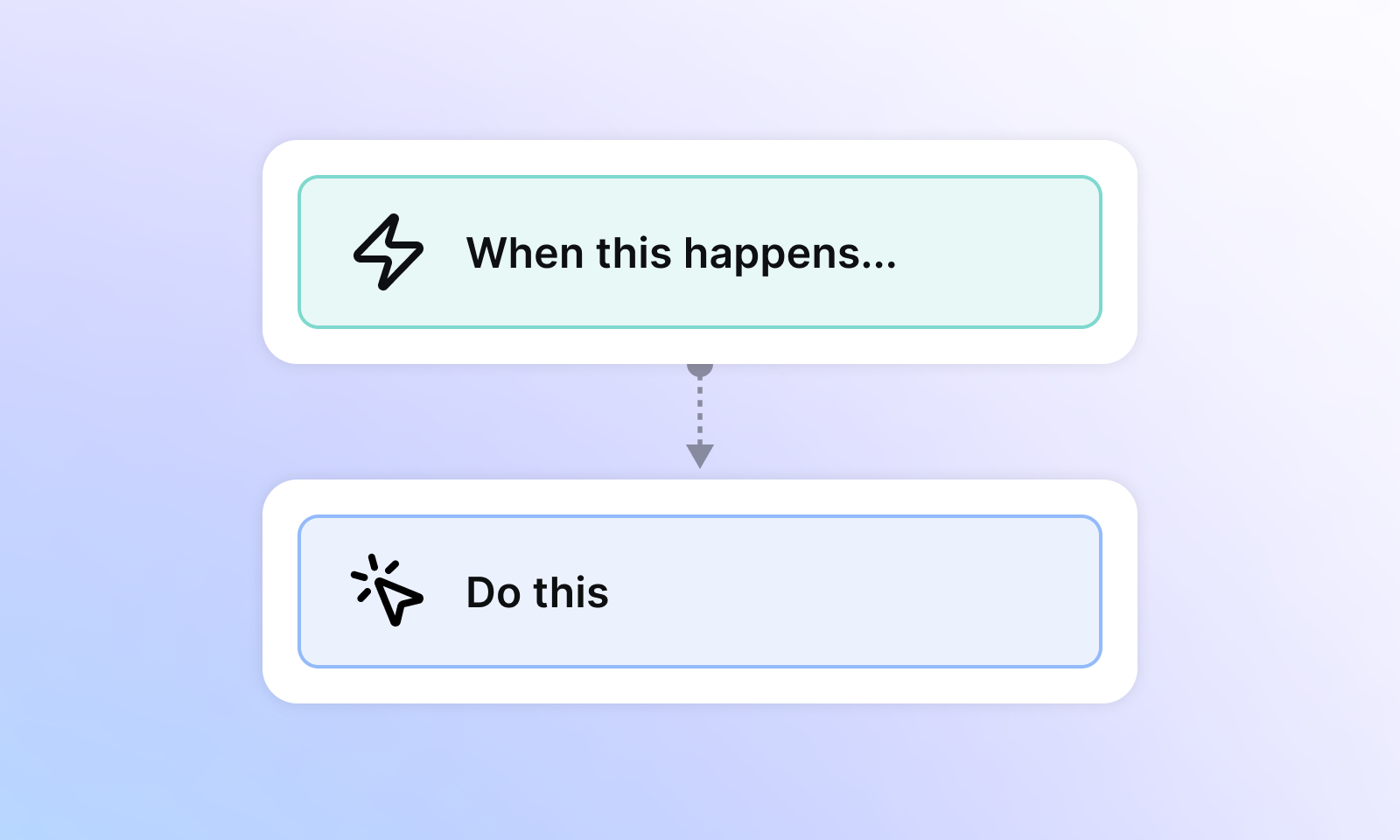
Flowchart with two connected boxes: the top box in light teal with a lightning bolt icon and text 'When this happens...', pointing down to a blue box with a clicking cursor icon and text 'Do this'.
Add your support channel as a trigger
Start with any customer-facing channel — WhatsApp, Email, Web Chat, or even Phone. When a new ticket, message, or call comes in, the workflow kicks off.
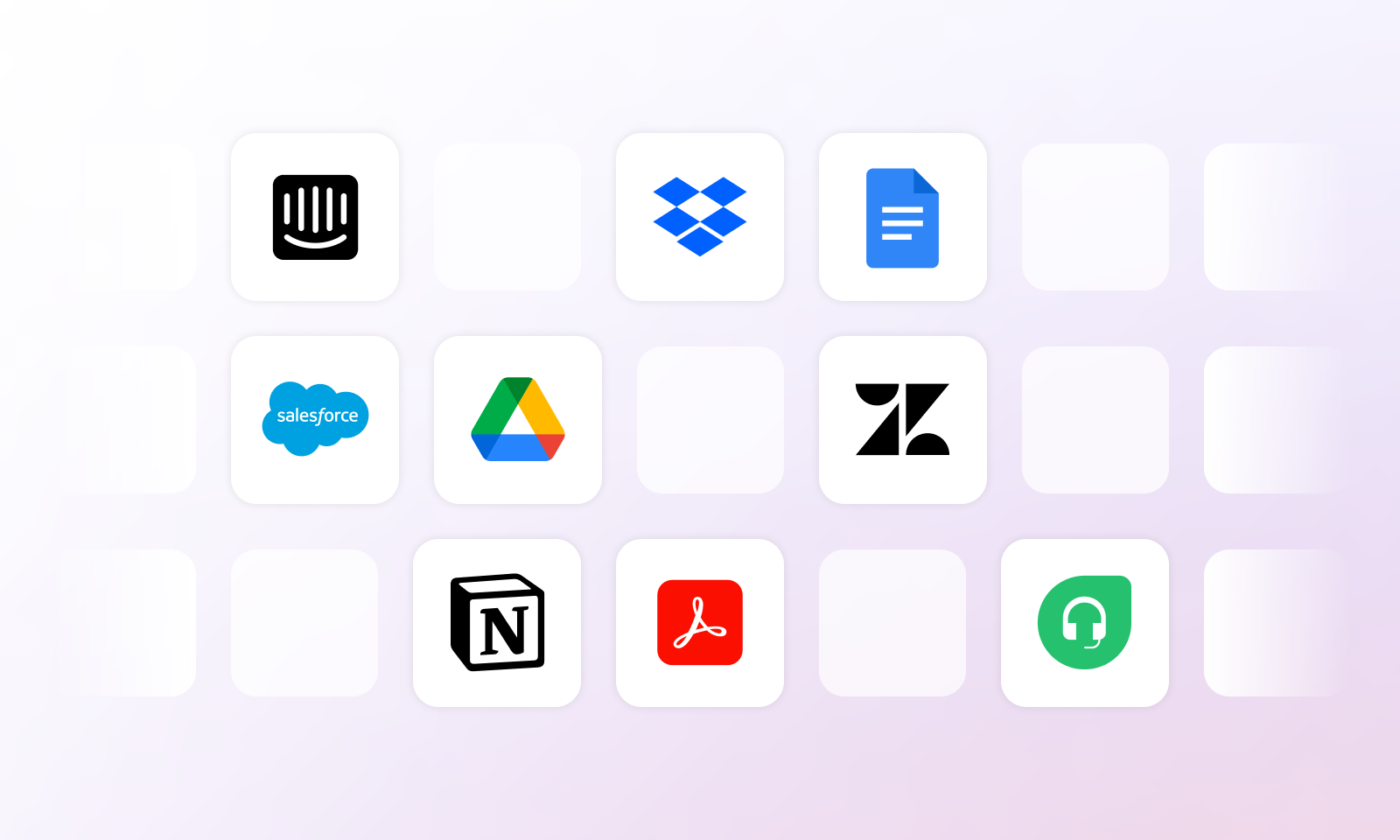
Grid of tech platform icons including Intercom, Dropbox, Google Docs, Salesforce, Google Drive, Zendesk, Notion, Adobe Acrobat, and Freshdesk.
Connect your apps
Set conditions like agent persona, customer type, query intent, or urgency. Then let your AI agent auto-respond, triage, summarize, or even escalate — just using natural language.
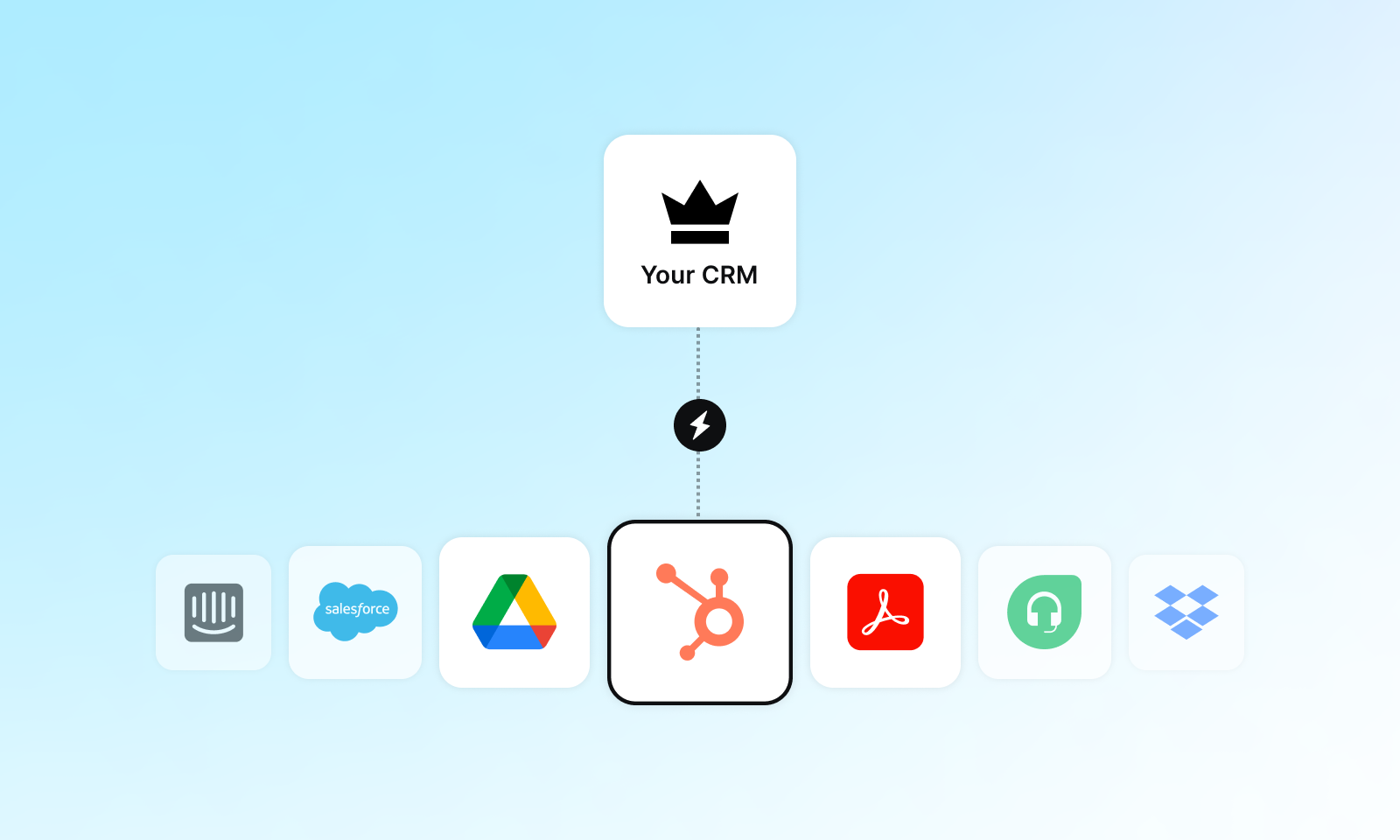
Diagram showing Your CRM connected to various apps including Intercom, Salesforce, Google Drive, HubSpot, Adobe Acrobat, a headset app, and Dropbox.
Connect it to your tools
Sync with your CRM, Helpdesk, or internal systems. Automatically log tickets, update statuses, notify agents, send surveys or send summaries — your workflow, your way.

Popular App Usecases

No usecase found. Try searching again.

What can Ayudo do with Microsoft Outlook and Microsoft Teams?

The integration between Microsoft Outlook and Microsoft Teams allows users to effortlessly schedule, join, and manage Teams meetings directly from Outlook. This powerful connection ensures that your calendar, emails, and collaboration tools work in harmony, enabling real-time communication without switching apps. Whether you're setting up a quick meeting or sharing important updates, this integration keeps your workflow smooth and efficient.

Connect
Microsoft Outlook
and
Microsoft Teams
to streamline your company's workflows, automate tasks, and boost productivity.

Frequently asked questions

How do I schedule a Microsoft Teams meeting from Outlook?

You can schedule a Teams meeting directly from Outlook by selecting the 'New Teams Meeting' button in the calendar view. This automatically adds the Teams meeting link and dial-in details to your invite.

Can I join a Teams meeting from an Outlook calendar invite?

Yes, simply click the 'Join Microsoft Teams Meeting' link in your Outlook calendar event to join the meeting instantly from your desktop or mobile device.

Will my Outlook calendar sync with Microsoft Teams?

Absolutely. Your Outlook calendar events are fully synchronized with Teams, ensuring you have up-to-date meeting schedules and reminders across both platforms.

Is it possible to share emails from Outlook directly into Teams?

Yes, you can share important emails or conversations from Outlook into Teams channels or chats to keep your team informed and collaborate effectively.

Do I need any special permissions to use the Outlook and Teams integration?

Typically, if you have an active Microsoft 365 subscription with access to Outlook and Teams, the integration is enabled by default. However, your IT administrator may configure specific settings or policies.


Built by folks who built

Freshworks company logo with stylized leaf icon.
Black ribbon folded in a loop symbolizing mourning or remembrance against a white background.
Netcore logo
HackerRank logo text in bold dark blue font.
Naukri company logo
Intel logo